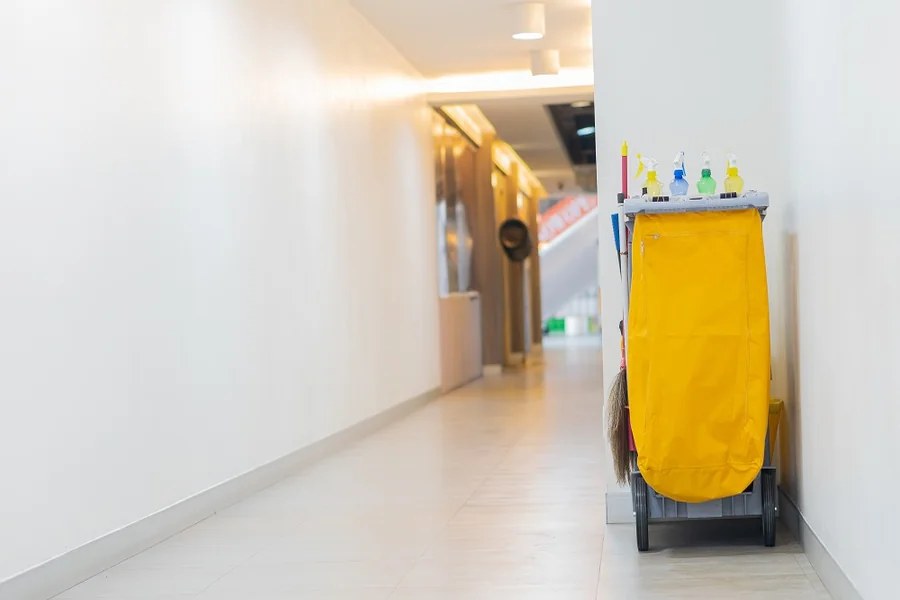
A clean commercial building creates a more comfortable environment for employees and visitors. However, keeping a property in good condition takes more than occasional cleaning. Daily activity, foot traffic, spills, dust, and general wear quickly affect shared spaces and working areas. A consistent maintenance routine helps prevent small issues from becoming bigger problems while keeping the property presentable. It also gives staff a cleaner environment where they can focus on their responsibilities without unnecessary distractions. With a practical approach, businesses make building upkeep more manageable and consistent.
Create a Consistent Cleaning Routine
A regular cleaning schedule gives commercial properties a clear structure for daily upkeep. High-traffic areas often need more frequent attention because dirt and debris accumulate quickly throughout the day. A routine also helps prevent overlooked areas from gradually becoming harder to maintain. Instead of waiting until a space looks noticeably dirty, staff follow a schedule based on how each area gets used. Seasonal changes may also call for adjustments when weather brings additional moisture or debris indoors. Keeping the routine realistic makes it easier to maintain over time.
Pay Attention to High-Traffic Areas
Busy areas often show signs of wear sooner than less frequently used parts of a building. Entryways collect dirt from outside, while hallways and stairways experience steady foot traffic throughout the day. Floors may require more frequent cleaning when employees or deliveries move through the same spaces repeatedly. Door handles and other frequently touched surfaces also deserve regular attention. Taking care of these areas helps maintain a cleaner appearance across the property. It also prevents dirt from spreading into offices and other areas that receive less traffic. As building activity changes, cleaning priorities should change with it.
Keep Cleaning Supplies Organized
Having the right supplies available makes routine cleaning easier to manage. Businesses should store cleaning products in a designated area where authorized staff access them without disrupting daily operations. Labels and storage instructions should remain visible so products get used appropriately. Keeping supplies organized also makes it easier to notice when essential items need replenishing.
At the same time, businesses should avoid keeping unnecessary products that take up storage space or create confusion. A simple inventory check helps prevent situations where staff discover they have run out of an item during an important cleaning task. Good organization supports a smoother maintenance routine from day to day.
Address Small Maintenance Issues Early
Cleaning and maintenance often go hand in hand, particularly when small building issues affect the condition of a space. A leaking fixture, damaged flooring, loose hardware, or malfunctioning restroom component quickly create additional cleaning concerns if nobody addresses it. Employees should have a straightforward way to report problems when they notice them.
Property managers then review those reports and determine which issues require prompt attention. Early action may help limit disruption and prevent a minor concern from becoming a larger repair. It also keeps the building looking cared for instead of allowing visible problems to accumulate. With regular checks, maintenance teams stay aware of changes throughout the property.
Work With Professional Cleaners
For businesses with larger properties or demanding schedules, professional cleaners provide valuable support with ongoing building upkeep. Experienced cleaning teams understand that different surfaces and areas require different approaches, which helps reduce the risk of improper cleaning. They also handle recurring cleaning needs when internal staff need to focus on their regular responsibilities.
Working with a professional service makes it easier to maintain consistent standards across shared areas and other parts of the property. Commercial cleaning providers such as OneService Commercial Building Service & Security offer specialized support designed around the needs of commercial properties. Their services help businesses maintain clean, presentable spaces while keeping routine cleaning requirements organized and consistent.
Review the Building Regularly
Even with a dependable cleaning routine, regular inspections help identify areas that need additional attention. Walk through the property periodically and look beyond the spaces that receive daily cleaning. Check corners, storage areas, fixtures, walls, flooring, and other details that may gradually show signs of dirt or wear. These inspections reveal patterns that a standard cleaning schedule does not always address.
For example, one area may need more frequent floor care because of increased foot traffic, while another may require attention to dust buildup. Reviewing the building also provides an opportunity to adjust routines as the property’s needs change. A maintenance plan works best when it evolves alongside the building.
Conclusion
Commercial buildings experience constant activity, so cleanliness requires ongoing attention rather than a one-time effort. A practical routine helps businesses stay ahead of dirt and minor maintenance concerns before they interfere with daily operations. Regular inspections also make it easier to identify changes and adjust cleaning priorities when necessary.
Professional cleaning support also provides additional consistency when a property requires more time or specialized care than an internal team provides. By treating cleaning and maintenance as part of everyday operations, businesses create a more orderly and comfortable environment for everyone who uses the building.